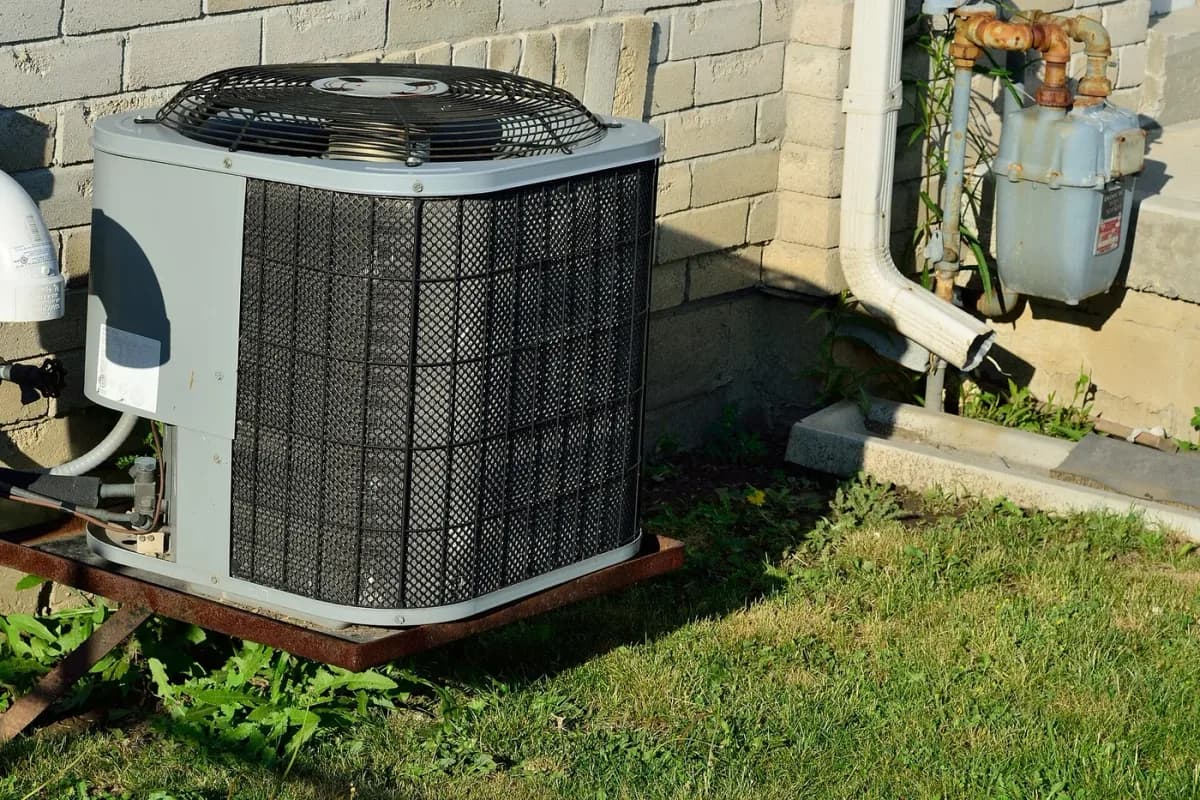
A heat pump vs furnace decision is not just a choice of fuel. An air-source heat pump moves heat and can provide both heating and cooling. A furnace provides heat; a fuel-burning furnace makes it through combustion, while an electric furnace uses resistance heating. The useful comparison is the complete project your home needs, including any air conditioner you would otherwise keep or replace.
For a Queens, Brooklyn or other NYC home, start with the existing equipment, distribution system and available installation space. KOKA-TECH can assess heat pump installation and service alongside your heating needs. No system is the right choice for every building.
Compare the systems, not just the boxes
| Decision | Air-source heat pump | Furnace |
|---|---|---|
| Heating and cooling | One system can provide both. | Provides heating; cooling needs separate equipment. |
| Heat source | Uses electricity to move heat. | Burns fuel or uses electric resistance, depending on type. |
| Air distribution | May use suitable ducts or ductless indoor units. | A forced-air furnace distributes heated air through ducts. |
| Cold-weather planning | Match the model's low-temperature capacity to the home's load; discuss backup if needed. | Size the furnace for the home and assess fuel supply, venting and distribution. |
| Project scope | Check electrical capacity, outdoor location, indoor equipment and controls. | Check compatibility with existing cooling equipment and the relevant fuel, electrical and venting work. |
ENERGY STAR's air-source heat pump guidance explains ducted and ductless options, sizing and cold-climate considerations. Outdoor appearance alone does not establish a unit's heating capability; compare exact model specifications.
Start with what is already working
If both your furnace and central AC need replacement, compare a heat pump project with a furnace-plus-AC project. Comparing the heat pump's full installation price with a furnace-only quote leaves out cooling and can make the options look more different than they are.
If the furnace is relatively new but the AC needs replacement, ask whether a compatible heat pump could work with the furnace. This is often called dual fuel: the controls choose between the heat pump and fuel-burning furnace under the designed conditions. ENERGY STAR discusses this as an option, not a requirement for every home.
If the existing furnace has a repairable fault, replacement is a separate decision. Read our furnace repair and replacement guide and ask for the diagnosis before deciding to change technologies. Age by itself cannot describe equipment condition.
Ask how the design handles winter
For a heat pump, ask for the home's heating-load assessment and the proposed model's capacity at the outdoor temperature used for design. A cold-climate designation is useful, but the selected system still has to fit the building. Ask whether backup heat is included, when it operates and how the controls are set up.
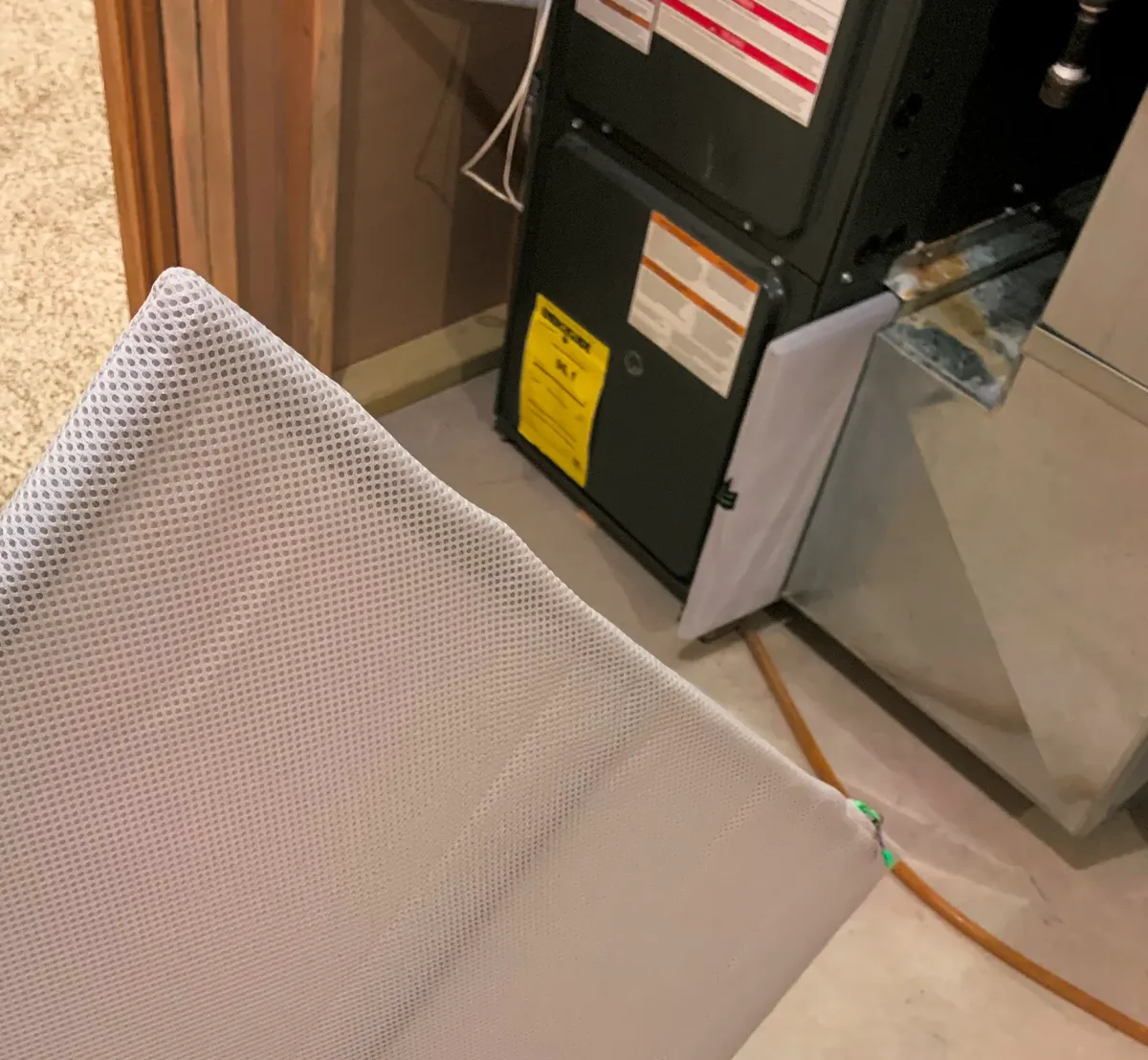
For a fuel-burning furnace, ask about efficiency, safe venting and how heat reaches the rooms. ENERGY STAR's furnace guidance uses Annual Fuel Utilization Efficiency, or AFUE, to describe fuel efficiency and also points to duct sealing and building improvements. A furnace's AFUE number and a heat pump's performance ratings are different measures; do not compare them as if they were the same percentage.
Operating cost depends on your actual electricity and fuel rates, equipment performance, heating demand and backup use. A higher efficiency label is not a promise of a particular bill reduction. Ask which rates and assumptions support any savings estimate you receive.
Bring these NYC building questions to the visit
- Are there usable ducts, or would a ductless installation need to serve separate rooms?
- Where could outdoor equipment go, and how would it be accessed for future service?
- What electrical work does the selected equipment require? Have capacity assessed rather than assuming every home needs the same panel upgrade.
- Who must approve work in the apartment, shared areas or exterior: the owner, landlord, co-op or building manager?
- Which permit or building approvals apply to this specific scope, and who will handle them?
These are planning questions, not a statement that every project needs the same approvals. Access and installation requirements can change the quote as much as the equipment choice.
Use the same scope for both written quotes
Ask each quote to identify the equipment models, heating and cooling scope, indoor and outdoor units, duct or line work, electrical and venting work, controls, removal, applicable approvals and exclusions. Keep optional work separate so you can see what each project actually includes.
Ask what maintenance each option requires and what warranty terms apply. If an incentive is mentioned, verify the current program, equipment eligibility and application steps separately before counting it toward your budget. This guide does not promise a rebate, tax credit or fixed installation price.
Ready to compare a project for your home? Start with a furnace installation assessment or heat pump assessment and bring the same building details to both discussions. Our HVAC maintenance checklist can help organize existing equipment and service notes.
Photo Credits: Outdoor condenser: Raysonho / Open Grid Scheduler, CC0. Furnace and filter: Wikideas1, CC0; cropped.

