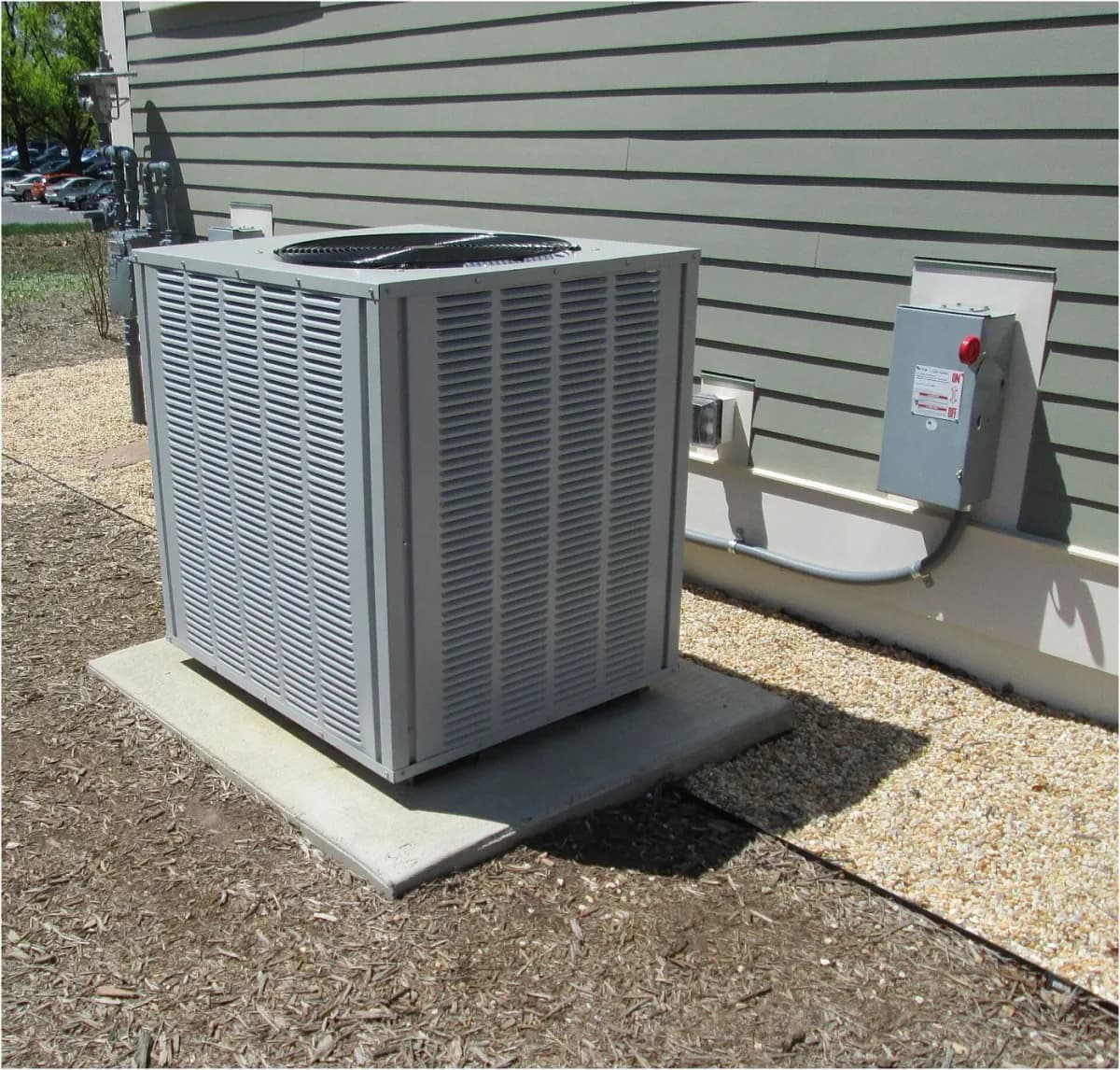
An AC not cooling your Brooklyn home does not tell you which part has failed. Start with the thermostat, a safely accessible filter and blocked room vents. If those checks do not explain the problem, stop short of opening equipment or adding refrigerant. A technician needs to distinguish an airflow problem from a cooling, control or electrical fault.
This guide helps you describe what is happening and decide when to call. If you already need a visit, use Brooklyn AC repair to arrange an assessment for your home or business.
When to stop checking
If you see ice on the indoor unit or accessible refrigerant tubing, turn cooling off and arrange service. Do not scrape the ice, use a heat gun or keep running the system hoping it clears. Trane's AC troubleshooting guidance identifies frozen coils and low refrigerant as problems requiring professional attention.
Keep away from damaged wiring, water near electrical equipment, smoke or a burning smell. Do not touch wet equipment, open electrical covers or repeatedly reset a tripping breaker. If there is fire or immediate danger, move to safety and call emergency services. Getting cooling back is secondary to keeping people safe.
Three accessible checks before a repair call
- Read the thermostat. Confirm cooling mode and a temperature below the room reading. On systems with separate fan settings, “On” can circulate uncooled air between cooling cycles; “Auto” runs the fan with the cooling call. Note any blank display or error message. Follow the equipment manual rather than trying unfamiliar reset sequences.
- Inspect the user-serviceable filter. Only access the filter as the owner's manual allows, with the system off. A heavily loaded filter can restrict airflow. Replace a disposable filter with the specified size and type, or clean a reusable one according to its instructions. Do not wash a disposable filter or reach into the equipment cabinet.
- Look for blocked airflow. Move furniture away from room supply and return grilles. From a safe ground-level position, note whether leaves or objects crowd an accessible outdoor unit. Leave internal cleaning to a professional. Do not climb onto a roof, lean out of a window or use a fire escape to inspect equipment.
If those accessible checks do not restore normal cooling, describe the result when arranging service. A symptom is useful evidence, not a reason to order a replacement part yourself.
Describe the symptom, not a guessed diagnosis
| What you notice | What to record | What happens next |
|---|---|---|
| Weak airflow at several vents | Filter condition and which rooms are affected | A technician can check airflow, blower operation and coil condition. |
| Air moves normally but feels warm | Thermostat mode, room temperature and when cooling stopped | Cooling and control checks are needed; warm air alone does not identify a refrigerant leak. |
| Visible ice | Where you saw it, without opening a cover | Turn cooling off and request service; more than one fault can cause freezing. |
| One room stays warm | Doors, exposed windows and whether other rooms cool normally | Room airflow or system distribution may need assessment before replacing equipment. |
| Nothing starts, or a breaker trips | Display messages, timing and any unusual sound | Leave electrical diagnosis to a qualified professional; do not keep resetting the breaker. |
Know which cooling system you have
Central AC distributes air through ducts. A ductless mini-split has indoor units serving individual spaces, with controls and filters that may differ by model. A window or through-wall unit is a different appliance again. Give the system type when you call so the service request can be matched to the equipment.
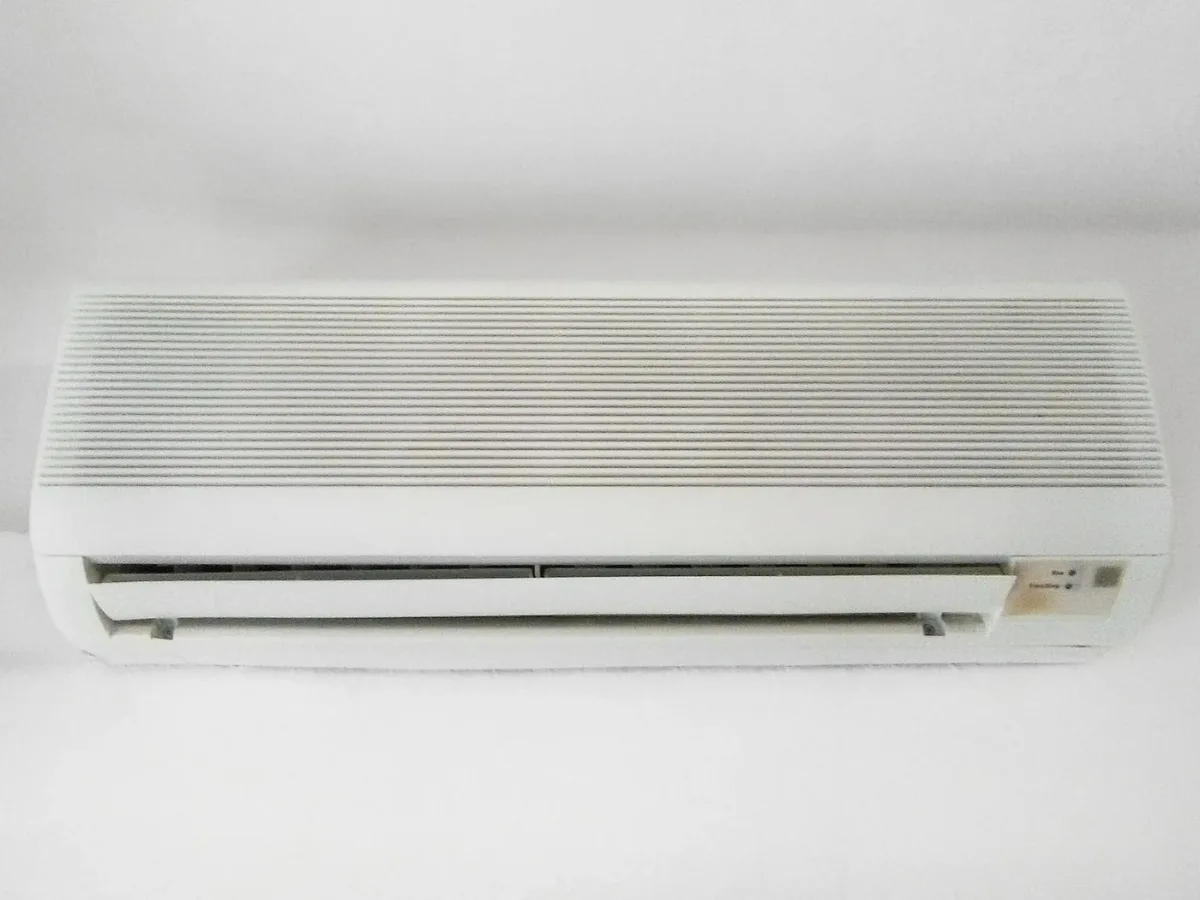
For building-managed cooling, ask the property manager whether other apartments are affected before arranging work on shared equipment. In a brownstone or apartment, describe where the indoor and outdoor units are located and who controls access. A future mini-split installation assessment is a separate decision from diagnosing today's fault; a warm room does not automatically mean you need a new system.
Prepare for a Brooklyn repair visit
Write down when the problem started, whether it affects every room, any error code, and what changed recently. If the model label is safely visible, take a photo. Tell us about building access, landlord approval or a locked equipment area when requesting the appointment. Leave inaccessible equipment alone.
An on-site assessment can separate an airflow restriction from a refrigerant, compressor, fan or control problem. Suspected low refrigerant calls for diagnosis, not a routine “top-up” without checking why cooling has declined. Ask what was found, what repair is proposed and what the quote includes before deciding. Arrival timing and repair scope depend on the situation and available scheduling.
For heating or other equipment concerns as well as cooling, see HVAC repair in Brooklyn.
Reduce repeat cooling problems
ENERGY STAR's maintenance checklist recommends monthly filter inspection and professional pre-season checkups. The right replacement or cleaning schedule depends on the filter, equipment instructions and conditions in your home. Electrical connections, refrigerant checks and internal component servicing belong in the professional visit.
Keep your equipment manual and service notes together. If the same problem returns, share the previous diagnosis rather than assuming another filter change will solve it. Our AC maintenance service can help assess routine care after the immediate cooling fault has been addressed.
Photo Credits: Outdoor condenser: NIST, public domain. Indoor unit: Dr.cueppers, CC BY 3.0.

